Stump Grinding
in Winter Park, FL
Certified arborists about 15 minutes away, with free written estimates and 24/7 storm response for Winter Park homeowners.
- Certified Arborists on Staff
- Licensed, Bonded & Insured
- Free Written Estimates
Stump Grinding · Orange County
Stump Grinding Built Around Winter Park's Trees
Winter Park is known for its brick streets and one of the most impressive tree canopies in Central Florida. Many of those live oaks and laurel oaks are decades old, planted close to homes, sidewalks, and lakefront lawns.
Old oak stumps in Winter Park are often large, with surface roots running under walkways and beds. Our compact grinders fit through garden gates and work around mature landscaping, and we can leave the grindings as mulch or backfill with soil for new sod.
Why Old Stumps Cause New Problems
A stump left in a Central Florida yard doesn't just sit there. As it rots it becomes food and shelter for subterranean termites and carpenter ants, which don't always stay in the stump once they've moved in.
Stumps also trip people, damage mower blades, sprout suckers that keep coming back, and make that corner of the yard impossible to use. Some species, especially laurel oaks and camphor trees, resprout aggressively for years.
How Stump Grinding Works
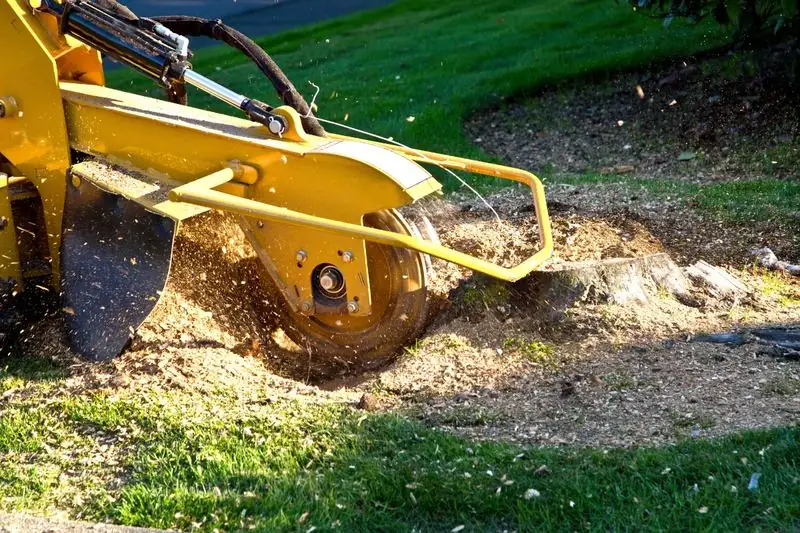
Our grinder uses a spinning cutting wheel to chew the stump into mulch, working back and forth until it's well below the surface. We call in utility locates before we grind so we never hit buried lines.
Grinding is faster and cleaner than digging a stump out, and it leaves your lawn far less torn up. Our compact grinders fit through most backyard gates.
- Stumps ground 6–12 inches below grade
- Major surface roots chased out
- Grindings raked back or hauled away — your choice
- Compact machines that fit through standard gates
Protect Your Property and Save Your Trees
A free on-site visit from a certified arborist tells you exactly what your trees need — and what they don't.
How It Works
Our Stump Grinding Process
Quote by Size
We measure each stump's diameter and check access so your price is set before we arrive.
Locate Utilities
Buried lines are marked before any grinding starts, every time.
Grind Below Grade
The stump and surface roots are ground well below the soil line.
Clean Finish
Grindings are raked into the hole, spread as mulch, or hauled away with a soil backfill.
Serving Winter Park With Expert Tree Care
Winter Park takes its canopy seriously, and many trees there may need city approval before they're removed or heavily pruned. We check what applies to your address during the estimate and handle the paperwork if a permit is needed. Narrow brick streets and older lots also mean we plan equipment access carefully.
- Neighborhoods we work in
- Park Avenue, Olde Winter Park, Windsong, the Lake Osceola and Lake Virginia shorelines
- Trees we see most
- Live oak, Laurel oak, Southern magnolia, Camphor, Cabbage palm
- From our yard
- About 15 minutes from 123 Main St, Orlando
Tree Services Near You in Winter Park
Stump Grinding in Nearby Cities
Stump Grinding Before & After
All projects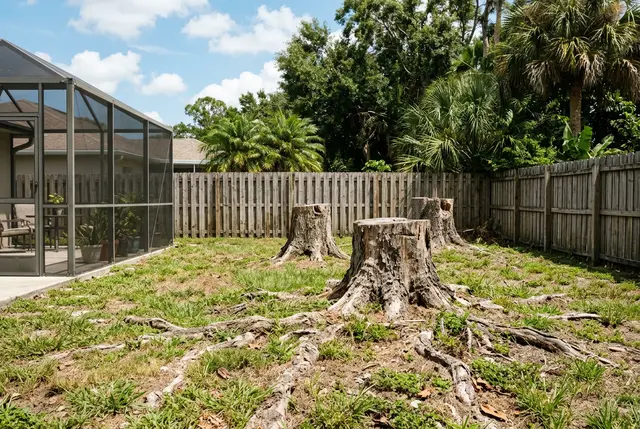
Before 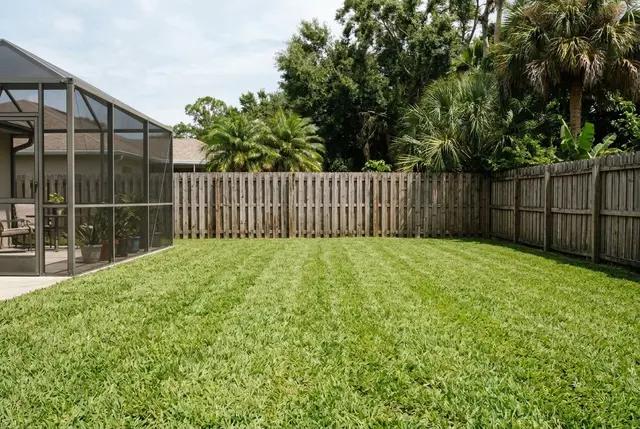
After Clearing Three Old Stumps From a Kissimmee Backyard
Three big stumps and their roots had taken over a fenced Kissimmee backyard. We ground them out below grade and laid fresh St. Augustine sod.
Before 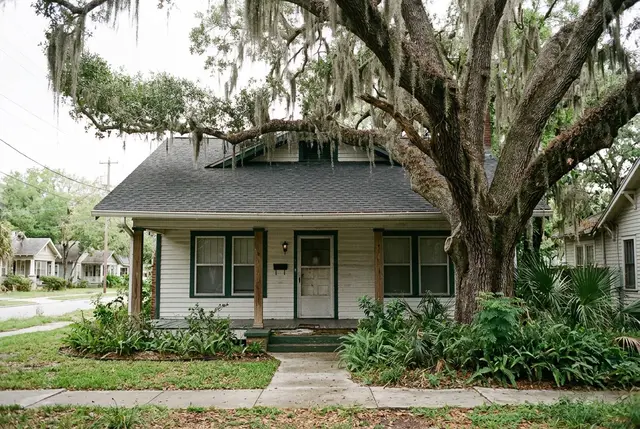
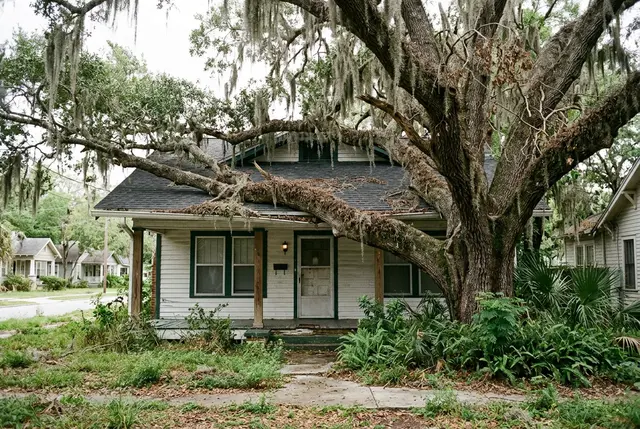
After Lifting a Century-Old Live Oak Off a College Park Bungalow
A heavy live oak was resting on a craftsman bungalow's roof. We raised and thinned the canopy, took out the deadwood, and kept the tree.
Before 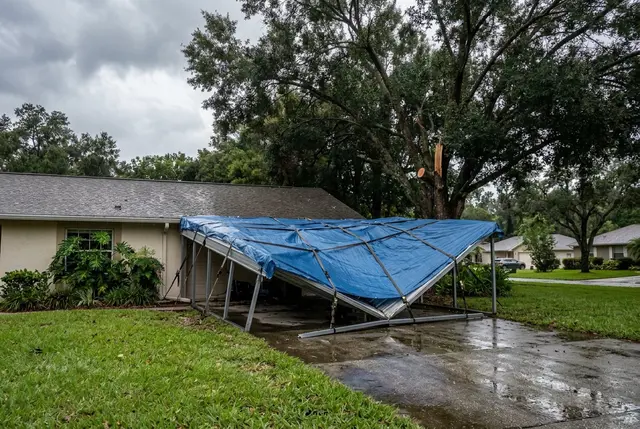
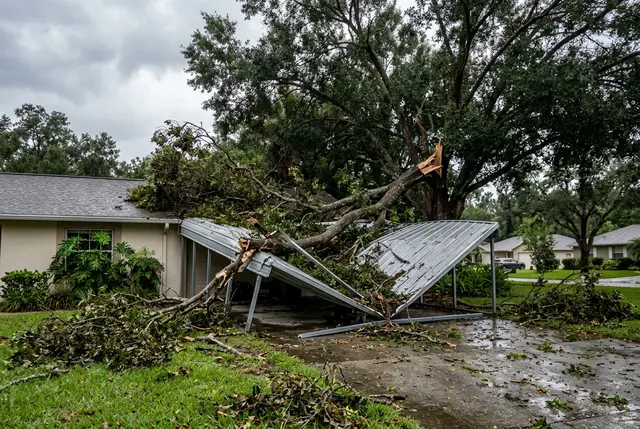
After Midnight Water Oak Limb Through an Oviedo Carport
A storm-broken water oak limb crushed a metal carport late at night. Our emergency crew removed it and tarped the roof before morning.
Get a Free Stump Grinding Estimate in Winter Park
Here's What Happens When You Reach Out
- 1
We schedule your free visit around your calendar.
- 2
A certified arborist assesses your trees in person.
- 3
You get a clear written quote before any work begins.
- 4
The price we quote is the price you pay.
We call back the same day. No spam, ever.
Storm season fills our schedule fast — get on the calendar before that tree becomes an emergency.
Stump Grinding in Winter Park: Your Questions
Do I need a permit to remove a tree in Winter Park?
Possibly. Winter Park protects many trees, and requirements depend on the tree's size, species, and location on your lot. We check the rules for your property during the free estimate and help with the application if one is needed.
Can you work around brick streets and older homes?
Yes. We use ground mats, rigging, and compact equipment to protect brick drives, historic homes, and established gardens, and we plan the work zone before the crew arrives.
How much does stump grinding cost?
Roughly $100–$500 per stump, mostly depending on the diameter. Additional stumps on the same visit cost less each, and grinding is discounted when we removed the tree.
How deep do you grind?
Usually 6–12 inches below grade, which is deep enough for sod or a flower bed. Let us know if you're planning a patio or new tree and we'll go deeper where needed.
Can your grinder get into my backyard?
In most cases, yes. Our compact grinders fit through a standard 36-inch gate. If access is tighter, tell us when you book and we will plan around it.
Latest From Our Learning Center
All articles
Top 10 Tree Service Companies in Orlando, FL (2026)
Picking a tree company in Orlando is easier when you know what to compare. We ranked 10 local crews on credentials, insurance, pricing and response time.
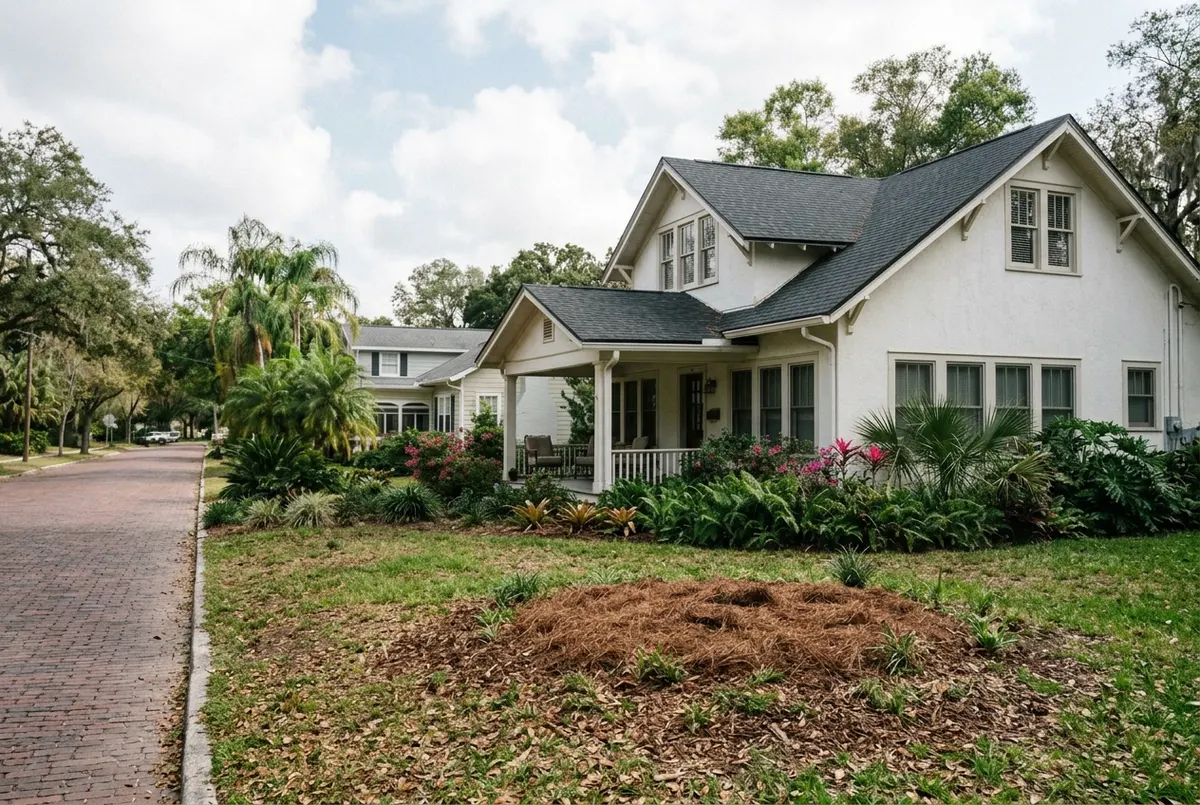
Top 10 Tree Service Companies in Winter Park, FL (2026)
Winter Park's old oaks deserve a careful crew. Here are 10 companies we'd consider, ranked on credentials, insurance, permits and how they treat older properties.
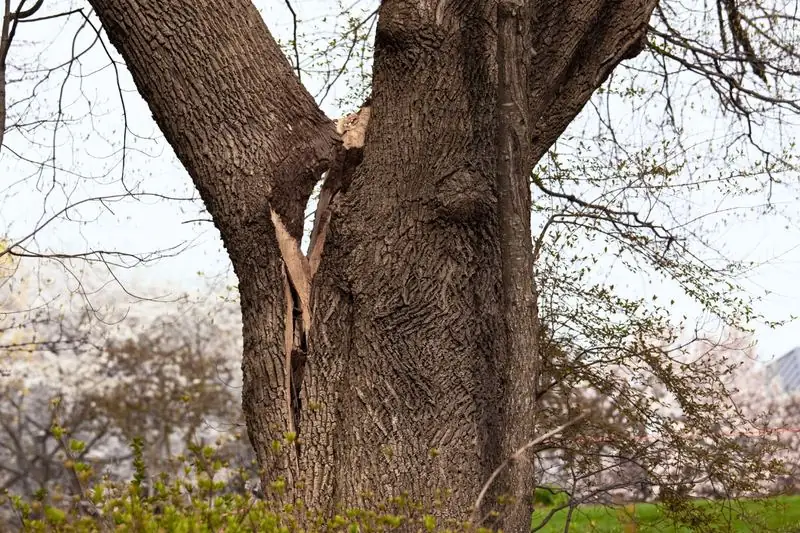
Tree Diseases Every Central Florida Homeowner Should Know
Some of the most serious tree problems in Central Florida don't look like much at first. Here are the four we see most often, the early signs, and when it's time to call an arborist.