Tree Removal
in Orlando, FL
When a tree has to come down, our certified arborists take it down in controlled sections, protect everything around it, and leave your yard clean.
- Certified Arborists on Staff
- Licensed, Bonded & Insured
- Free Written Estimates
Tree Removal · Central Florida
When a Tree Needs to Come Down
Most of the trees we remove in Central Florida aren't coming down because someone wants a bigger lawn. They're dead, hollow, leaning toward a house, or so damaged by a storm that they can't be saved. Laurel oaks are the classic example: they grow fast, then start rotting from the inside around 40 to 60 years old, often without much warning on the outside.
We'll always tell you if a tree can be saved with pruning or cabling instead. Removal is the right call when the risk to your home, your family, or your neighbor's property outweighs what the tree gives back.
- Dead or dying trees, including pines killed by bark beetles or lightning
- Trees with deep cracks, cavities, or fungus at the base
- Trees leaning toward a roof, driveway, pool cage, or power line
- Trees whose roots are lifting slabs, pipes, or a foundation
The Risk of Waiting Until Hurricane Season
Central Florida's sandy soil holds roots loosely, and a saturated yard during a tropical storm lets a heavy, weakened tree tip over far more easily than it would in clay. A tree that has leaned the same way for years can go in a single gust once the ground is soaked.
Removing a hazard tree in the spring costs a fraction of what it costs to cut it off a roof in September. Many insurers also push back on claims when a visibly dead or damaged tree was left standing, so dealing with it early protects you twice.
Why a Certified Arborist Should Plan the Job
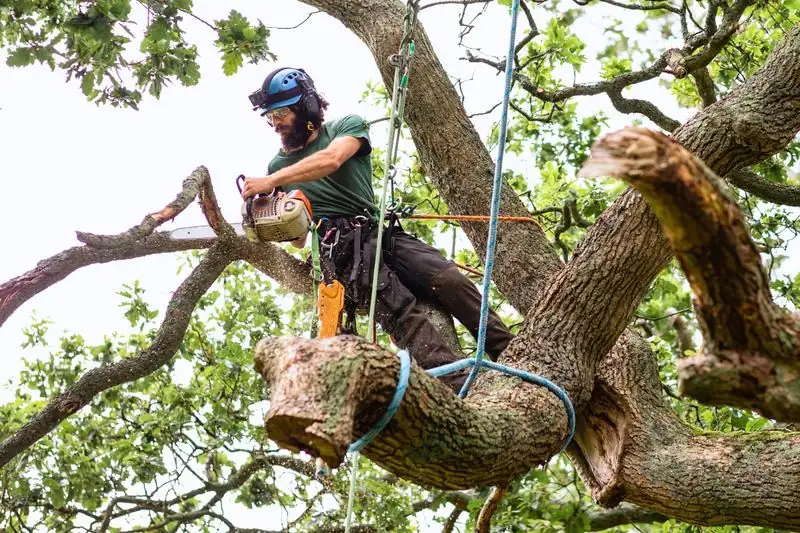
Taking a tree down safely is mostly planning. Our arborists look at the lean, the weight of the canopy, the condition of the wood, and everything within reach — your roof, fence, irrigation, septic field, and overhead lines — before anyone starts a saw.
Then we decide how the tree comes down: felled in one piece where there's room, climbed and lowered limb by limb with rigging where there isn't, or lifted out with our crane when it's too big or too close to the house for anything else.
What's Included in Every Removal
Your written estimate lists the whole job, so there are no surprise line items at the end. Every removal is done by our own insured crew, never a subcontractor.
- A free on-site assessment and written quote
- Help checking whether your city or county needs a permit
- Ground protection for lawns and driveways
- Full cleanup: branches chipped, logs hauled, sawdust raked
- Optional stump grinding while we are already on site
Protect Your Property and Save Your Trees
A free on-site visit from a certified arborist tells you exactly what your trees need — and what they don't.
How It Works
Our Tree Removal Process
Free Assessment
A certified arborist inspects the tree and everything around it, then gives you a written price.
Removal Plan
We decide whether the tree is felled, climbed and rigged down in sections, or lifted out by crane.
Controlled Takedown
Each piece is cut and lowered under control, so nothing swings toward your home or your neighbor's.
Cleanup
Brush is chipped, wood is hauled away, and the stump is ground if you asked for it.
Tree Removal Near You
Tree Removal Before & After
All projects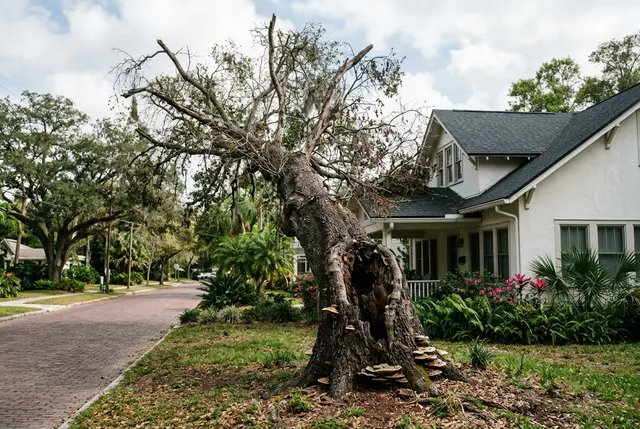
Before 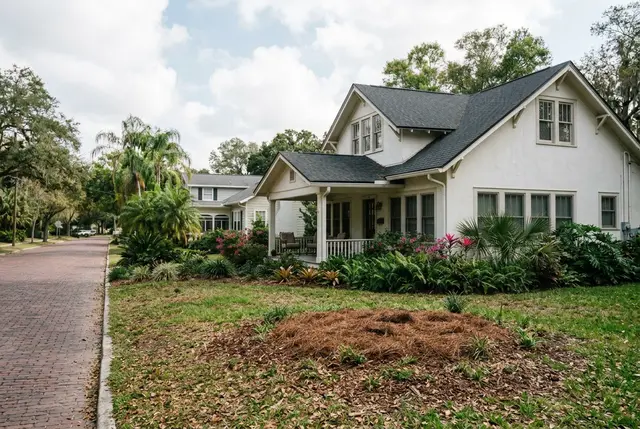
After Taking Down a Decaying Laurel Oak Beside a Winter Park Home
A laurel oak with a hollow base and bracket fungus was leaning toward a two-story home. We rigged it down in sections, ground the stump, and left fresh mulch.
Before 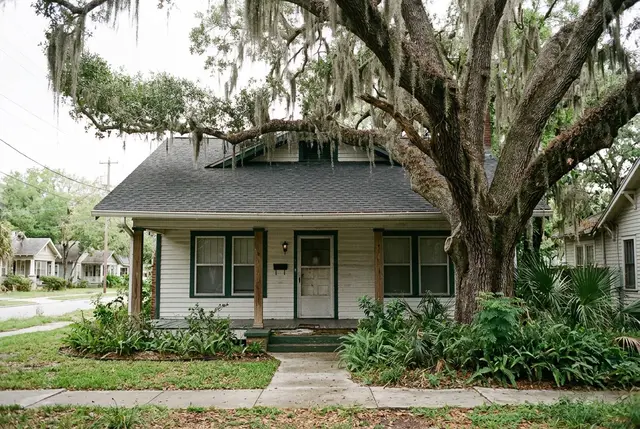
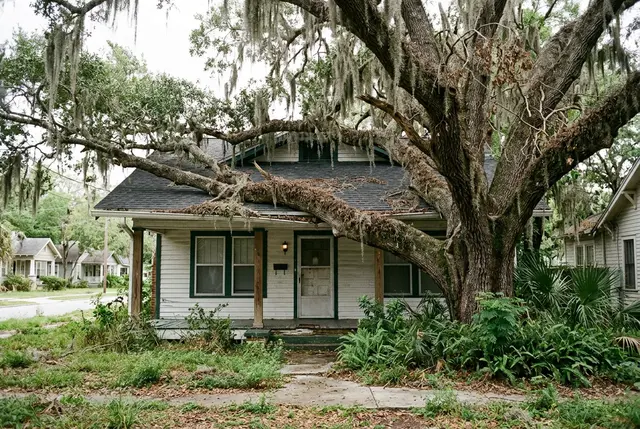
After Lifting a Century-Old Live Oak Off a College Park Bungalow
A heavy live oak was resting on a craftsman bungalow's roof. We raised and thinned the canopy, took out the deadwood, and kept the tree.
Before 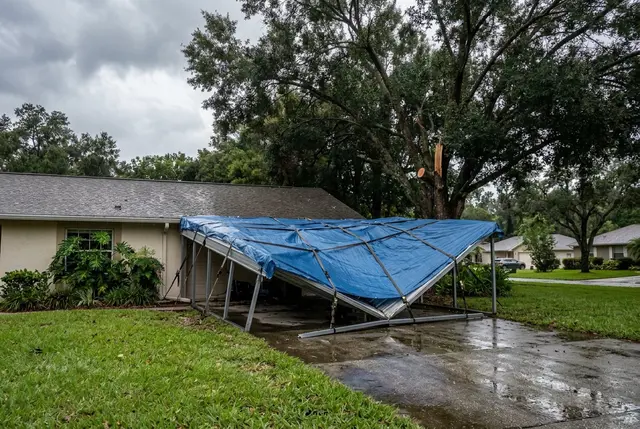
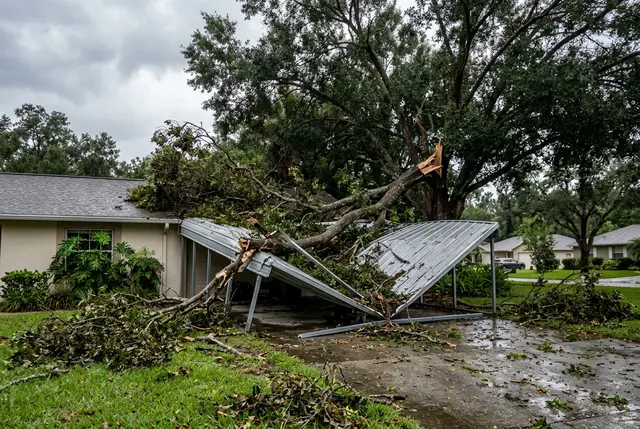
After Midnight Water Oak Limb Through an Oviedo Carport
A storm-broken water oak limb crushed a metal carport late at night. Our emergency crew removed it and tarped the roof before morning.
Get a Free Tree Removal Estimate
Here's What Happens When You Reach Out
- 1
We schedule your free visit around your calendar.
- 2
A certified arborist assesses your trees in person.
- 3
You get a clear written quote before any work begins.
- 4
The price we quote is the price you pay.
We call back the same day. No spam, ever.
Storm season fills our schedule fast — get on the calendar before that tree becomes an emergency.
Frequently Asked Questions
How much does tree removal cost in Orlando?
Most residential removals run $450–$3,000+. Price depends on the tree's height and spread, how close it is to the house or lines, and whether it needs climbing, rigging, or a crane. Your estimate is free and written before any work starts.
Do I need a permit to remove a tree?
Sometimes. Several Central Florida cities and counties protect certain trees by size or species. We check what applies to your address during the estimate and help with the paperwork if a permit is needed.
Will you grind the stump too?
If you want it gone, yes. Most customers have us grind it the same day since we're already set up. If you'd rather keep it, we'll cut it low and leave it.
Can you remove a tree that is hanging over my house?
Yes. That's most of what we do. Trees over roofs are climbed and lowered piece by piece with ropes, or lifted with our crane, so nothing drops onto the house.
How long does a removal take?
Most single-tree residential removals are finished in one day, cleanup included. Large crane jobs or multiple trees may take two.
More Ways We Can Help
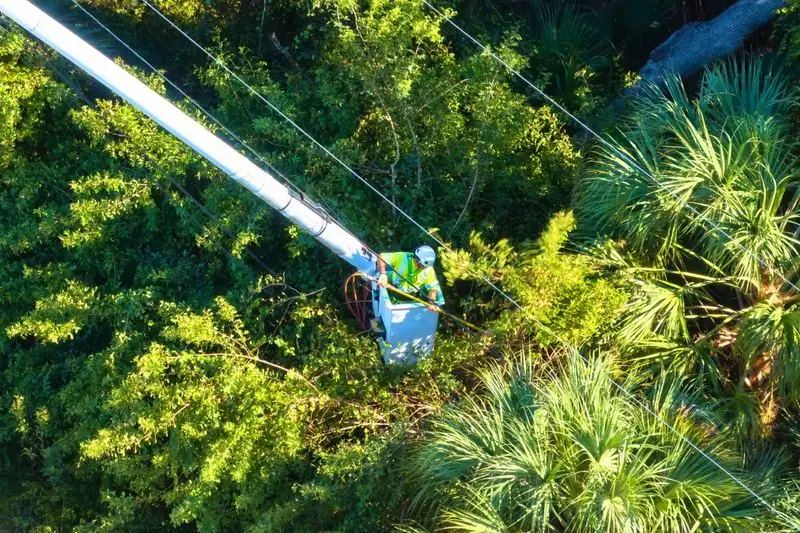
Tree Trimming & Pruning
Regular pruning and care to keep your trees healthy, shaped, and safe.
Learn more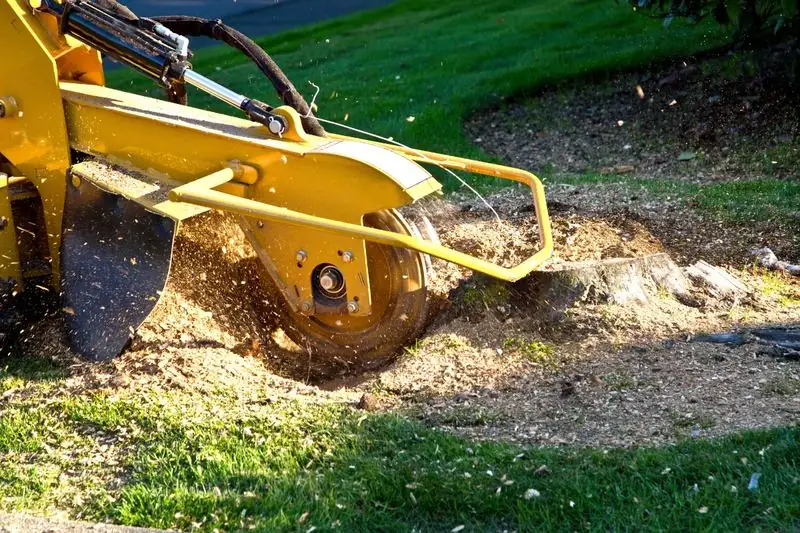
Stump Grinding
Remove the tripping hazard and reclaim your yard for good.
Learn more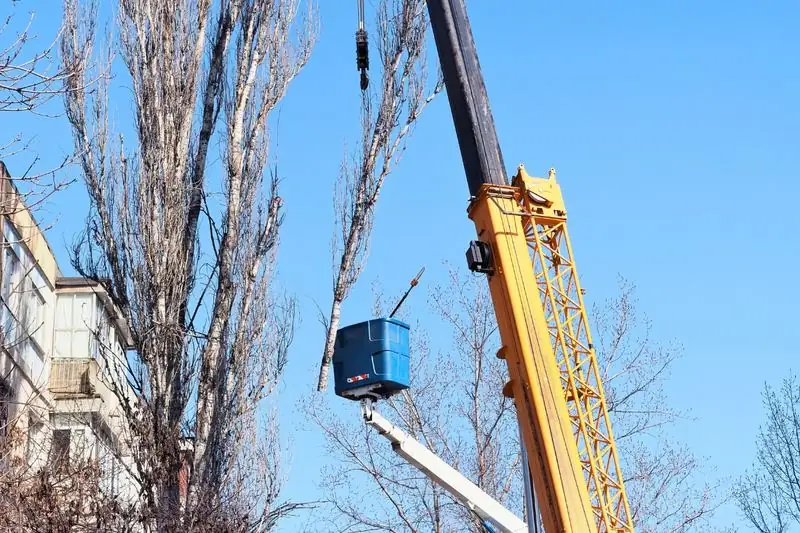
Crane-Assisted Removal
For tall, leaning, or hard-to-reach trees that need extra precision and equipment.
Learn more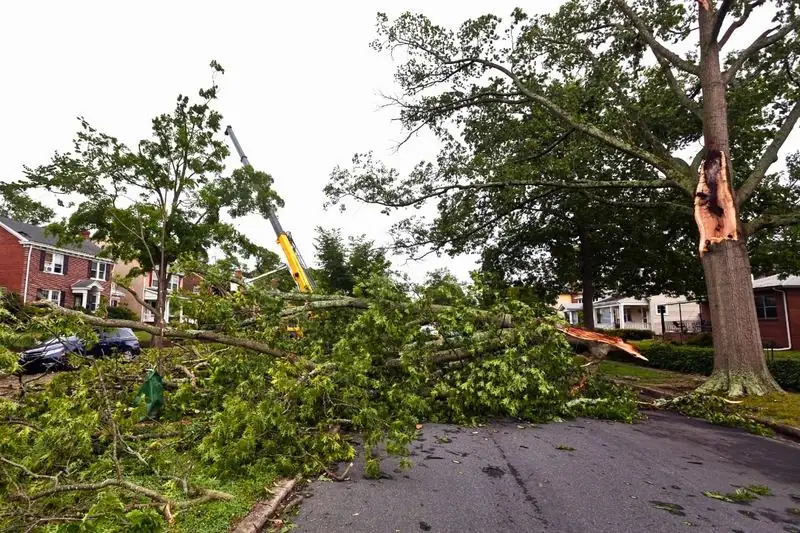
24/7 Emergency Tree Service
Storms and fallen trees don't wait for business hours — neither do we.
Learn more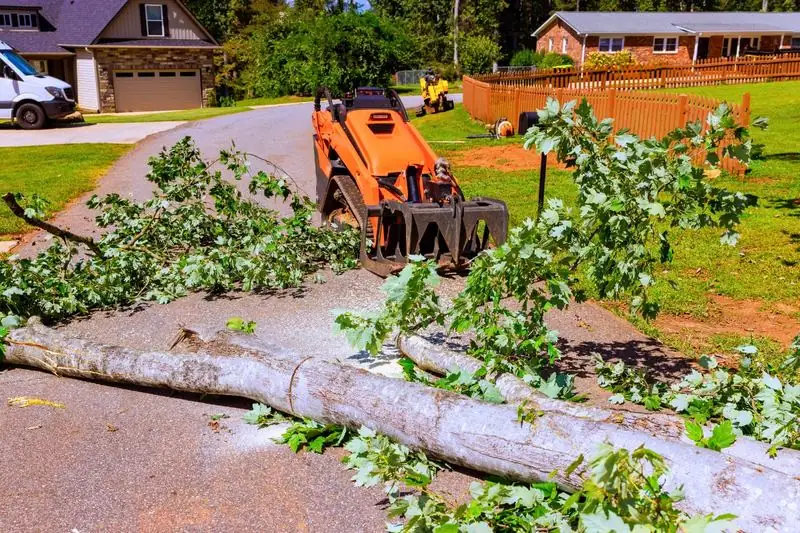
Storm Damage Cleanup
Fast debris cleanup after severe weather, with direct insurance coordination.
Learn more
Latest From Our Learning Center
All articles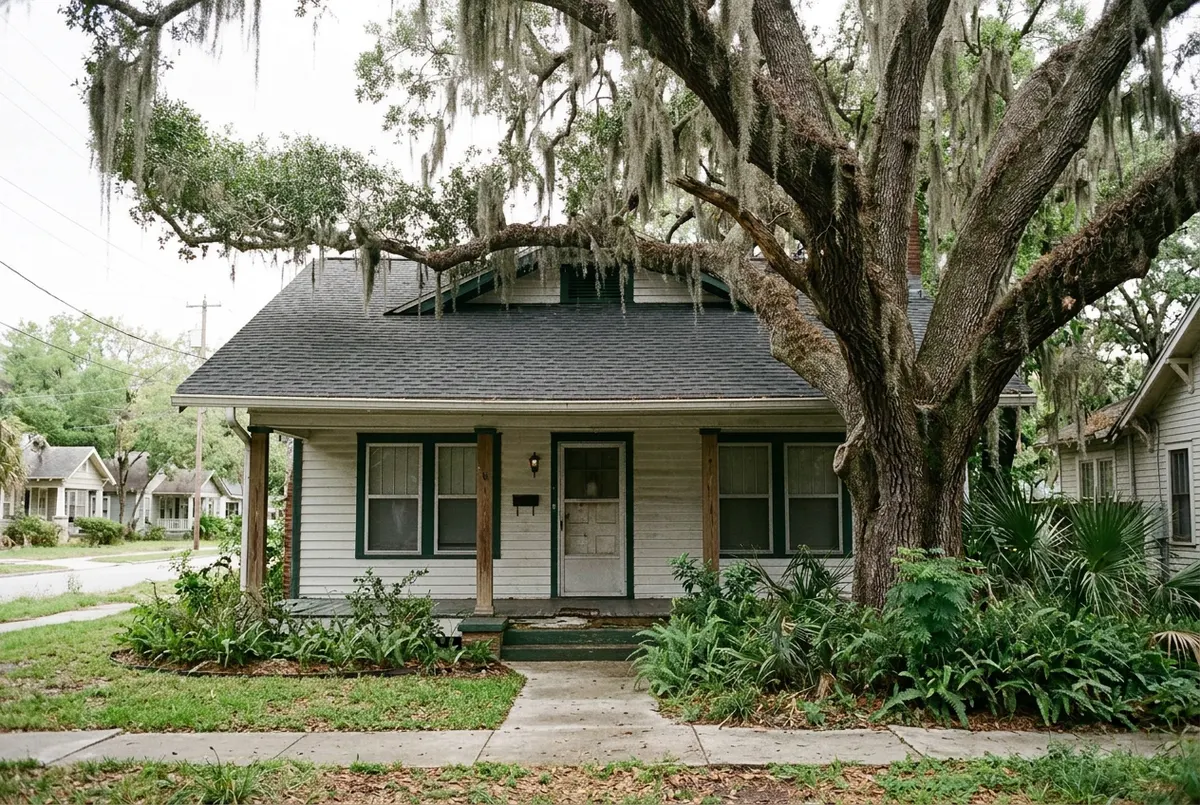
Top 10 Tree Service Companies in Orlando, FL (2026)
Picking a tree company in Orlando is easier when you know what to compare. We ranked 10 local crews on credentials, insurance, pricing and response time.
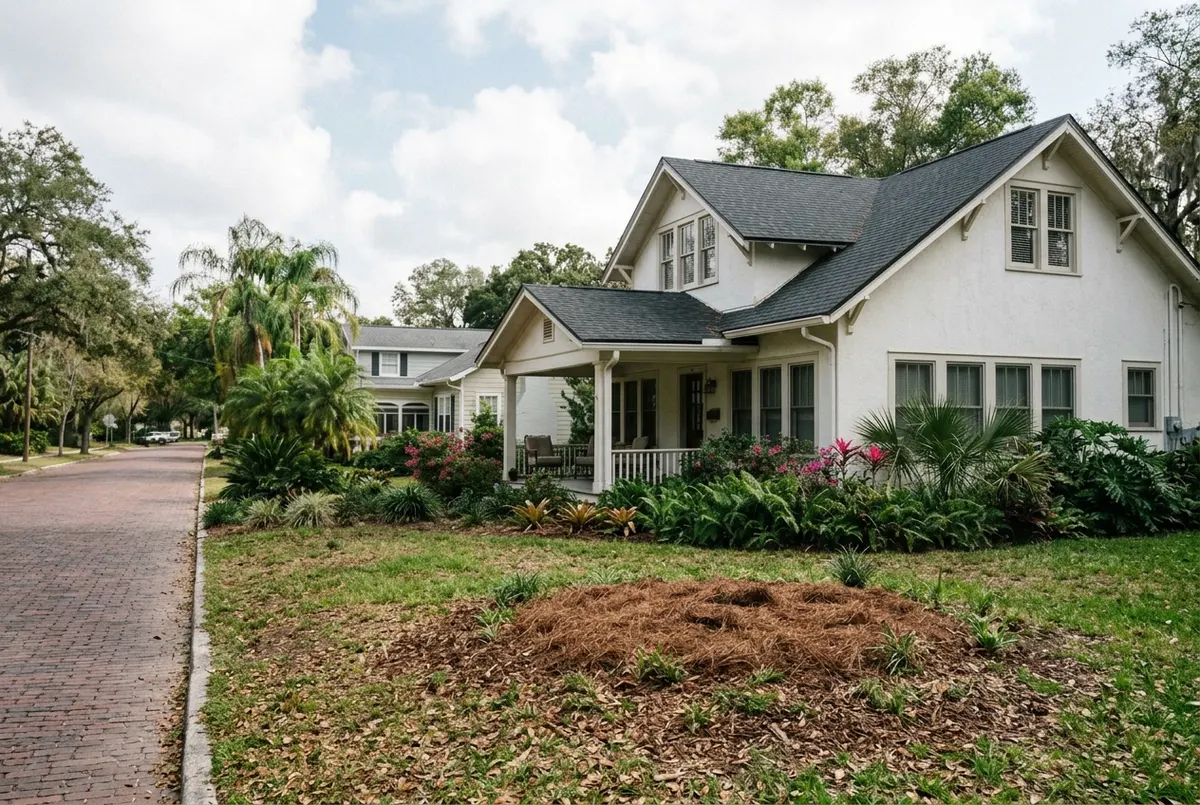
Top 10 Tree Service Companies in Winter Park, FL (2026)
Winter Park's old oaks deserve a careful crew. Here are 10 companies we'd consider, ranked on credentials, insurance, permits and how they treat older properties.
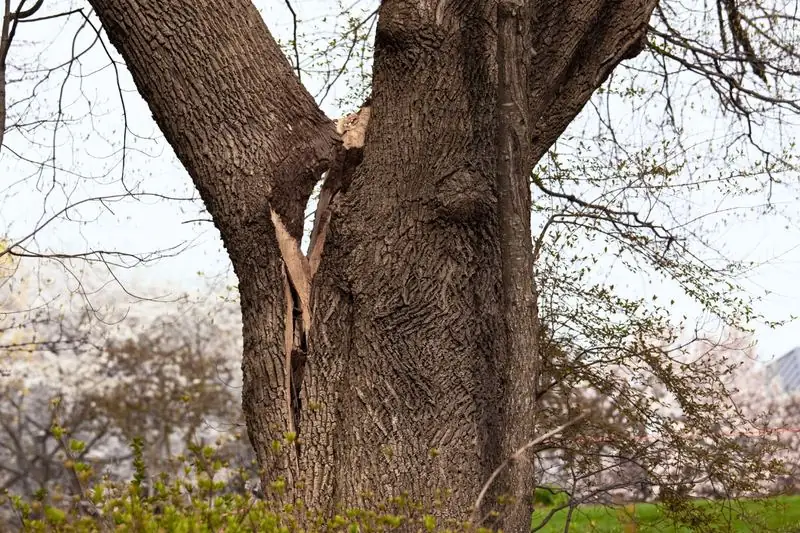
Tree Diseases Every Central Florida Homeowner Should Know
Some of the most serious tree problems in Central Florida don't look like much at first. Here are the four we see most often, the early signs, and when it's time to call an arborist.