Tree Service Cost
Calculator
A ballpark for Orlando-area tree work in three clicks. For an exact price, book a free on-site estimate.
How Much Does Tree Service Cost in Orlando?
There's no single price for tree work because no two trees are the same job. A 25-foot crape myrtle in an open front yard and a 70-foot laurel oak leaning over a pool cage are both "a tree," but one takes an hour with a pole saw and the other takes a full crew, rigging, and sometimes a crane. Size, condition, access, and what sits underneath the tree drive most of the cost.
The ranges below are what Central Florida homeowners typically pay us, so you can budget before you call. For an exact number, a certified arborist will visit, look at the tree in person, and give you a written quote for free. The price on that quote is the price you pay.
Typical Orlando Prices
Open-yard prices per tree or stump. Tight spots run about 25% more; crane work about 60% more.
| Small under 30 ft | $450 – $900 |
|---|---|
| Medium 30–60 ft | $900 – $1,800 |
| Large over 60 ft | $1,800 – $3,500 |
| Small under 30 ft | $250 – $500 |
|---|---|
| Medium 30–60 ft | $500 – $900 |
| Large over 60 ft | $900 – $1,600 |
| Small under 12 in across | $100 – $175 |
|---|---|
| Medium 12–24 in | $175 – $300 |
| Large over 24 in | $300 – $500 |
Price Ranges for Common Tree Services in Orlando
Typical Central Florida prices for residential work, cleanup included. Your written estimate is the number that counts.
Tree Trimming & Pruning
$250–$1,600 per tree
Small ornamentals and young shade trees sit at the low end. Large live oaks that need climbing, deadwood removal, and clearance work over a roof run toward the top. Pruning several trees in one visit usually lowers the cost per tree.
Tree Removal
$450–$3,000+
Most residential removals fall in this range, with cleanup included. Smaller trees with room to fell cost the least. Big trees over a house, fence, or power line are taken down in sections, which takes more time and more people.
Crane-Assisted Removal
Typically adds $1,000–$2,500
When a large tree has no safe place to lower pieces, a crane lifts sections up and over the house. It adds to the cost of a big removal but is often faster and far safer, and many crane jobs finish in a single day.
24/7 Emergency Tree Removal
Quoted before work starts
Storm and after-hours calls can cost more because of the conditions and the crew called out, and we always give you the price before we cut. Trees that fall on a home are often covered by homeowners insurance, and we document the damage for your claim.
Storm Damage Cleanup
Priced by the load or by the hour
Clearing downed limbs and debris is usually priced by the truckload hauled or by crew hours on site. A quick look at the yard, or a few photos, is enough for us to give you a firm number.
Stump Grinding
$100–$500 per stump
Price follows the stump's diameter, its root flare, and how easy it is to reach. Grinding several stumps in one visit costs less per stump, and it's cheapest of all when we're already there for the removal.
Palm Trimming
$75–$250 per palm
Cabbage, queen, and sylvester palms are cleaned of dead fronds and seed pods. Taller palms and those needing a lift or climbing cost more. We never over-trim, which weakens palms.
Arborist Assessment
Free with an estimate
Every estimate includes a certified arborist's look at the tree's health and risk. If you need a written tree risk report for an HOA, a permit, or an insurance claim, we can provide one.
What Drives the Price
Factors That Influence Tree Service Costs
Two trees the same height can be very different jobs. These are the things our arborists weigh when they write your quote.
Tree Size and Height
Taller and wider trees take more cuts, more rigging, and more time to haul away. Trunk diameter matters too, since a thick trunk means heavier sections and a bigger stump.
- Under 30 ft: usually the lowest cost
- 30–60 ft: most residential shade trees
- Over 60 ft: tall pines and mature oaks, often climbed or craned
Species and Wood
Live oak is dense and heavy, so sections weigh more and take longer to lower. Laurel oaks often hide internal decay. Pines are tall and straight, while palms need different tools and techniques than hardwoods.
Condition of the Tree
A dead, hollow, or storm-split tree is less predictable to climb and cut. When wood can't be trusted to hold a climber or rigging, we may need a lift or crane, which adds cost but keeps everyone safe.
Location and Access
What's under and around the tree has the biggest effect on price. A tree in an open yard can sometimes be felled whole; the same tree over a roof has to come down piece by piece.
- Overhanging a roof, pool cage, or fence
- Near power lines
- In a backyard reached only through a narrow gate
- On soft, lakefront ground that needs mats
Job Complexity
Jobs that need ropes and rigging to lower every limb, or a crane to lift sections over the house, take more crew and equipment. Planning the work properly costs less than a damaged roof.
Time of Year
Hurricane season runs June 1 to November 30, and demand jumps after every major storm. Scheduling planned work outside the busiest weeks gives you more flexibility on timing.
Permits and Paperwork
Some cities and counties in Central Florida require a permit to remove certain trees, and many HOAs require approval. Application fees and any replanting requirements are set by the city or community, and we tell you upfront if they apply.
Cleanup and Extras
Every price includes standard cleanup. The final number moves with what else you want done.
- Hauling all wood away vs. leaving logs for firewood
- Grinding the stump while we are on site
- Adding more trees or stumps to the same visit
Orlando's Most Trusted Tree Care Team
Experienced · ISA Certified · Licensed & Insured. Get a written price from an arborist, not a salesperson.
Ways to Save on Tree Service
Be Proactive Before Hurricane Season
Pruning or removing a hazard tree in the spring costs a fraction of an emergency call after it lands on the roof. A pre-season inspection catches dead limbs and decay while the work is still routine.
Schedule in the Slower Months
Late fall through early spring is usually our calmer stretch. Booking planned work then gives you more choice of dates and avoids the post-storm rush.
Bundle Trees and Stumps in One Visit
Every job has setup time for the crew and equipment. Pruning several trees, or grinding every stump at once, spreads that cost and lowers the price per item.
Keep the Wood or Mulch
Hauling and disposal are part of the price. If you'd like to keep logs for firewood or wood chips for your beds, let us know and we'll take that off the quote.
Get an Exact, Written Price — Free
Here's What Happens When You Reach Out
- 1
We schedule your free visit around your calendar.
- 2
A certified arborist assesses your trees in person.
- 3
You get a clear written quote before any work begins.
- 4
The price we quote is the price you pay.
We call back the same day. No spam, ever.
Storm season fills our schedule fast — get on the calendar before that tree becomes an emergency.
Tree Service Costs: FAQ
Why is this a range and not a price?
Two trees the same height can be very different jobs. Lean, decay, what is underneath, and how the crew gets equipment in all change the work. A certified arborist gives you an exact written price after seeing the tree, for free.
Does the price include cleanup?
Yes. Every removal and trimming price includes chipping the brush, hauling the wood, and raking up. Stump grinding includes leaving the grindings as mulch or hauling them, your choice.
When does a job need a crane?
When a large tree hangs over a roof, pool cage, or power line with no safe place to lower pieces, a crane lifts sections up and away instead. It costs more per hour but often finishes in a day what climbing would take two to do.
Do you charge more for emergencies?
Storm and after-hours work can cost more because of the conditions and the crew called in, and we tell you the price before we start. Many storm removals are covered by homeowners insurance, and we document the damage for your claim.
What is the cheapest time of year for tree work in Central Florida?
Late fall through early spring is usually best. Demand is lower outside hurricane season, so scheduling is more flexible, and many trees are easier to assess once summer growth slows down.
Is it cheaper to trim a tree or remove it?
Trimming is almost always cheaper than removal, and a healthy tree adds shade and value to your property. If a tree is dead, badly decayed, or a real risk to your home, removal is the safer long-term choice, and we'll tell you honestly which one makes sense.
Does homeowners insurance cover tree removal?
It depends on your policy and on what happened. Insurers often help when a tree falls on a covered structure during a storm, but usually not for removing a healthy or dead tree before it falls. Check with your insurer; we can document storm damage and provide the paperwork they ask for.
Do I need a permit to remove a tree in Orlando?
Sometimes. The City of Orlando and other local governments may require a permit for certain trees depending on size, species, and location. We check what applies to your address during the estimate and help with the application if one is needed.
Why do tree service quotes differ so much between companies?
Quotes vary with insurance coverage, crew training, equipment, and how much cleanup is included. A low price can leave out haul-away or come from a crew without workers' comp, which puts the risk on you. Compare what's included, and ask for proof of insurance.
Do you charge for estimates?
No. Every estimate is free and in writing, and a certified arborist does the visit. There's no obligation to book the work.
Latest From Our Learning Center
All articles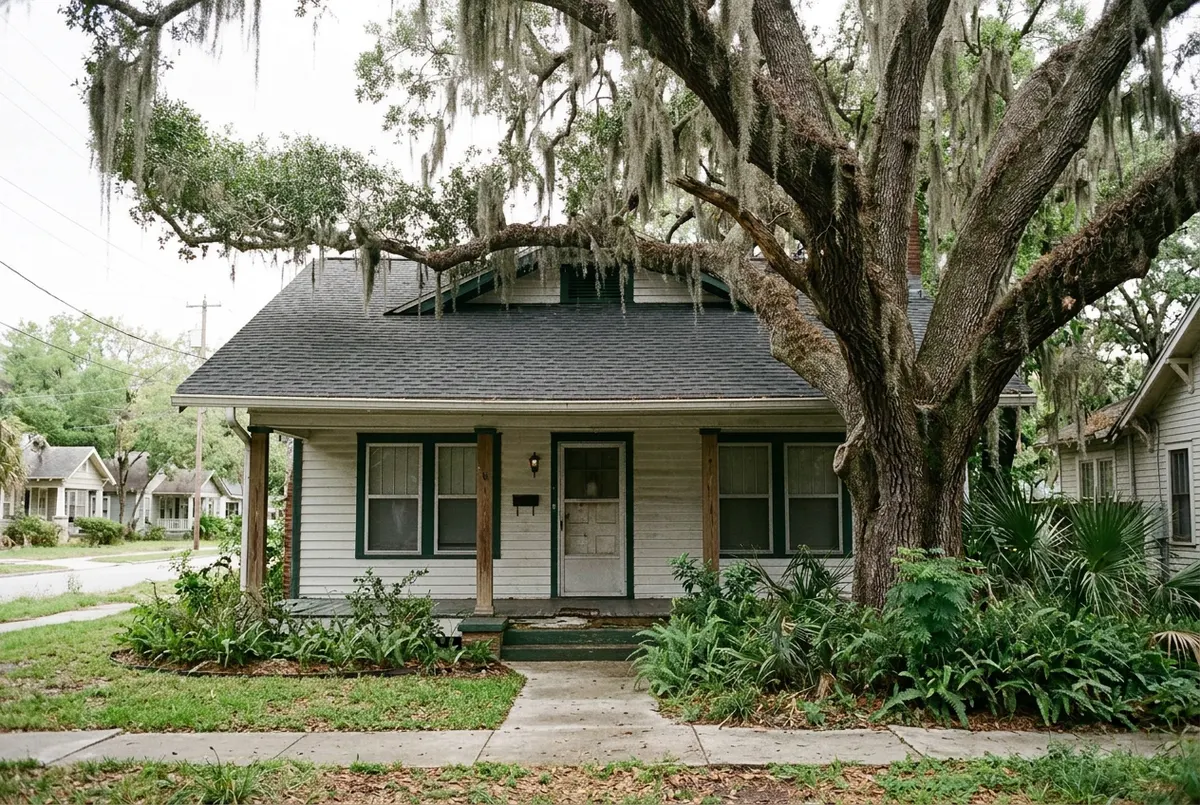
Top 10 Tree Service Companies in Orlando, FL (2026)
Picking a tree company in Orlando is easier when you know what to compare. We ranked 10 local crews on credentials, insurance, pricing and response time.
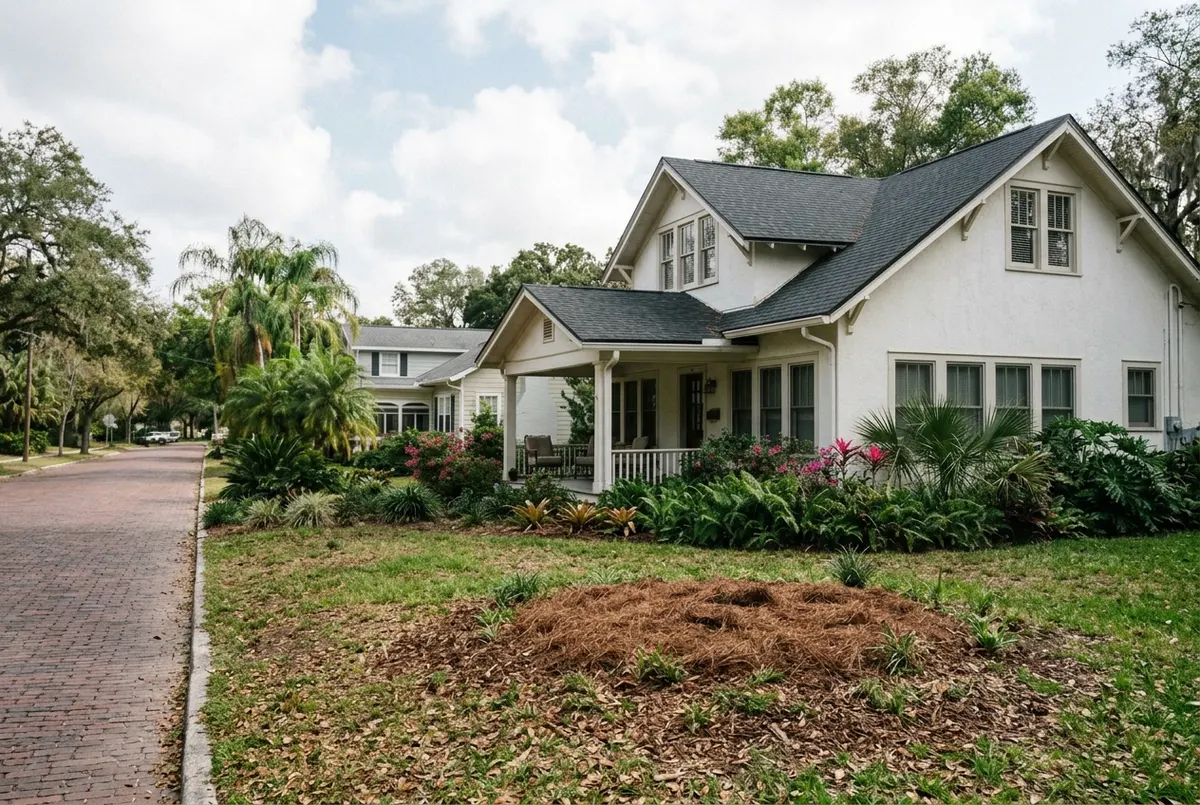
Top 10 Tree Service Companies in Winter Park, FL (2026)
Winter Park's old oaks deserve a careful crew. Here are 10 companies we'd consider, ranked on credentials, insurance, permits and how they treat older properties.
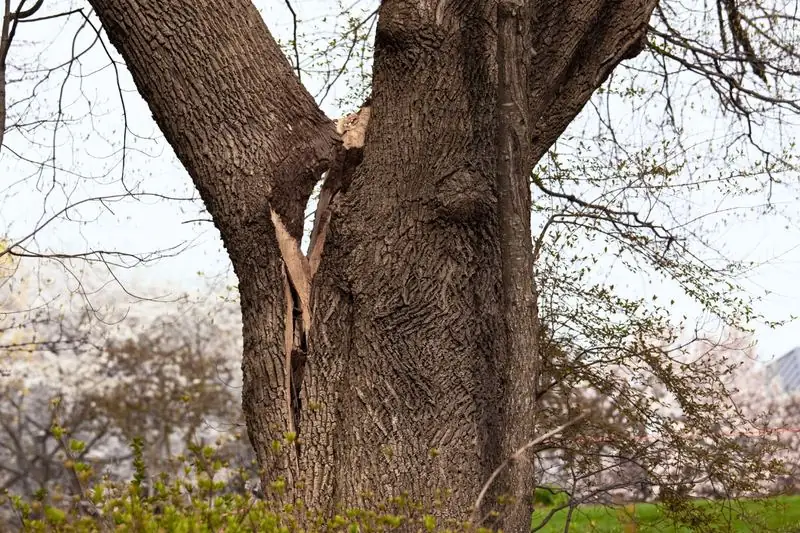
Tree Diseases Every Central Florida Homeowner Should Know
Some of the most serious tree problems in Central Florida don't look like much at first. Here are the four we see most often, the early signs, and when it's time to call an arborist.