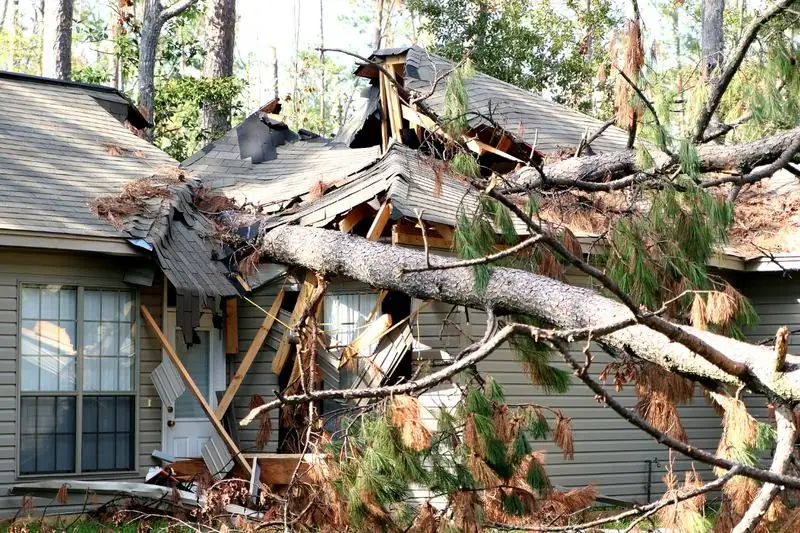
Drive around Orlando the week after a hurricane and you'll notice a pattern. Some trees lose a few leaves and small branches and look fine by the following spring. Others snap in half, uproot entirely, or drop a massive limb onto a roof. That isn't luck. Species, age, health, and how a tree has been pruned all play a part.
Researchers at the University of Florida's Institute of Food and Agricultural Sciences (UF/IFAS) surveyed thousands of trees after the major hurricanes that hit Florida in the 1990s and 2000s, including the 2004 season that battered Central Florida. Their work gave homeowners and arborists a much clearer picture of which trees hold up in high winds. Here's what that research, and our own years of storm cleanup, show.
Trees That Tend to Stand Up Well
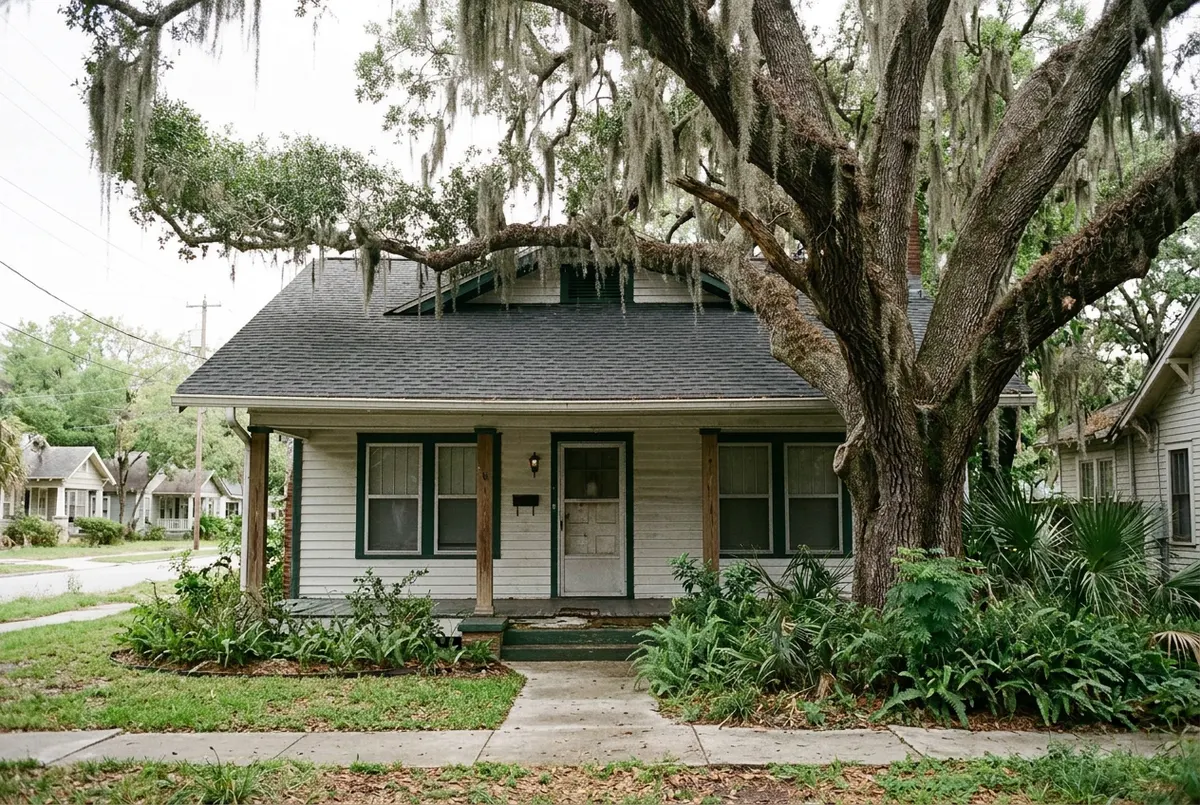
- Live oak: strong, dense wood, a low and wide crown, and deep, spreading roots. Healthy live oaks are among the best performers in Florida storms.
- Sand live oak: a smaller cousin of the live oak with the same tough wood and compact shape.
- Cabbage (sabal) palm: Florida's state tree. Its flexible trunk bends instead of breaking, and it often loses fronds but survives.
- Southern magnolia: dense, strong wood and a sturdy structure help it ride out high winds better than many shade trees.
Even wind-resistant trees can fail if they are decayed, badly pruned, or have damaged roots. A healthy laurel oak can outlast a neglected live oak.
Trees That Tend to Fail
- Laurel oak: fast-growing with weaker wood, and relatively short-lived. Older laurel oaks often have hidden internal decay, which makes them one of the most common trees we remove after storms.
- Water oak: similar story. It grows fast, decays from the inside as it ages, and tends to break or uproot in high winds.
- Sand pine: a shallow root system and a tall, top-heavy shape make it prone to blowing over.
- Bradford pear: narrow, weak branch angles cause it to split apart, often right down the middle.
Why Some Trees Fail
A few factors show up again and again in the trees we clean up after a storm:
- Wood strength: dense, slow-growing wood resists breaking better than light, fast-growing wood.
- Decay: internal rot is invisible from the street but dramatically weakens a trunk or major limb.
- Age: many fast-growing species become hazardous as they reach the end of their natural lifespan.
- Poor pruning: topped trees regrow with weakly attached shoots that break off easily in wind.
- Root damage: driveways, trenching, and construction near a tree can cut the roots that hold it up.
What This Means for Your Yard
You don't need to cut down every laurel oak on your street. Many are healthy and safe for years to come. But if you have a large, older laurel or water oak close to your home, it deserves a professional look before hurricane season, not after.
If you're planting new trees, choose wind-resistant species, give them room to grow away from the house, and plan on structural pruning while they're young. A well-shaped live oak planted today can shade your yard for a century.
Your county's UF/IFAS Extension office has more detail on wind-resistant species for Florida landscapes. If you'd like an arborist's eyes on the trees you already have, our team offers free on-site assessments. We'll tell you which ones are fine, which ones need pruning, and which ones are a risk worth removing.